
Introduction
Living with a movement disorder can present daily challenges that impact independence, confidence, and overall well-being. From tremors and rigidity to slowed mobility or involuntary movements, these conditions vary widely in severity and underlying causes. Because of this, no single treatment works for everyone. Instead, an effective plan requires a structured approach that combines medical, rehabilitative, and supportive strategies. This guide explores the essential components of effective treatment and care for movement disorders.
Understanding the Patient’s Needs
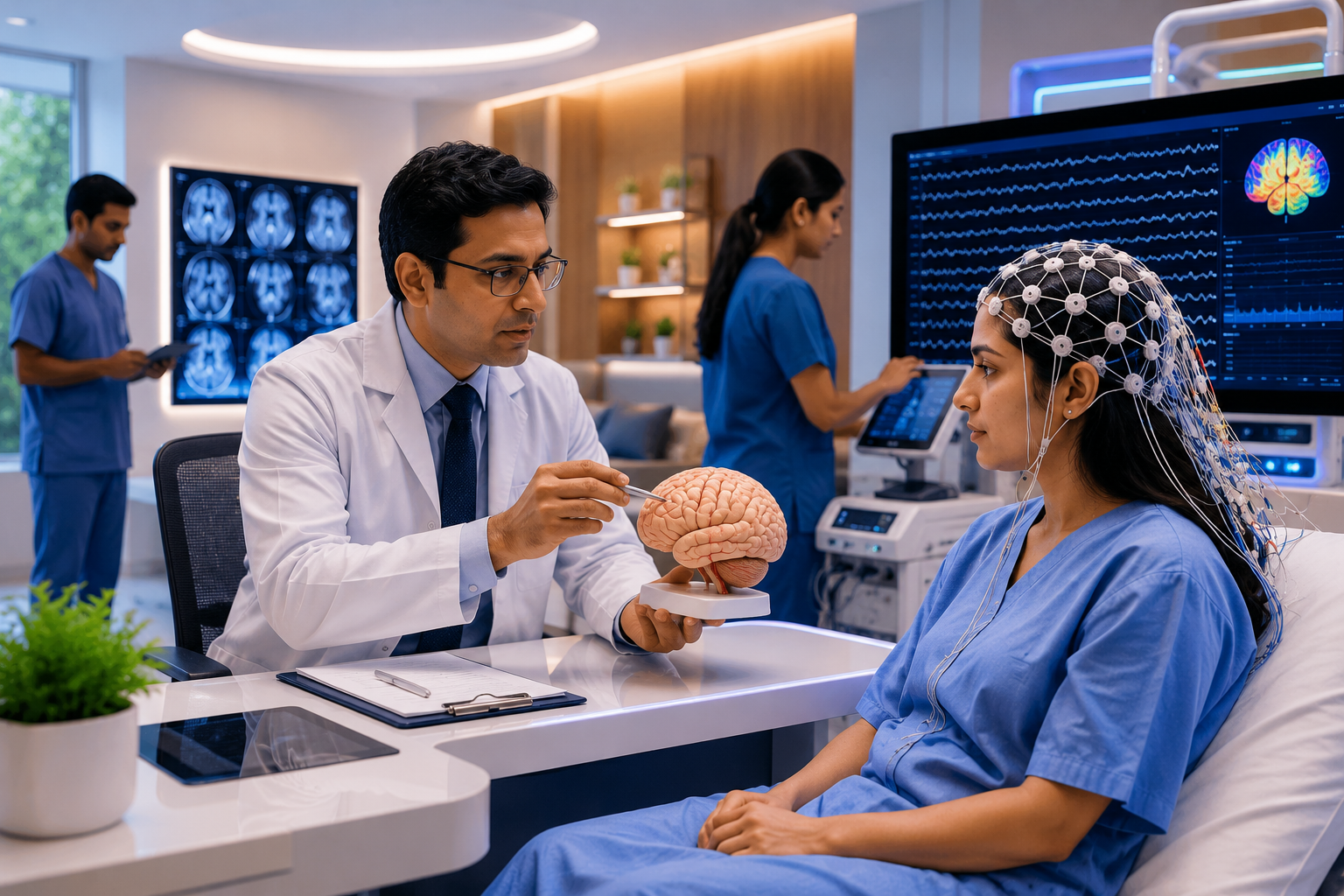
The first step in creating an effective treatment plan is to understand the individual’s specific symptoms, medical history, and lifestyle needs. Movement disorders are highly diverse, and a tailored approach is far more successful than a generalized one. Care teams often include neurologists, therapists, and mental health professionals working together to design a plan that addresses both the physical and emotional aspects of the condition.
Medical Management Strategies
Medications remain a cornerstone of care for most movement disorders. Drugs that replace or mimic brain chemicals, relax muscles, or suppress abnormal movements can significantly reduce symptoms. For example, dopamine-related medications are commonly prescribed in conditions where motor control is reduced. Other options include botulinum toxin injections to ease muscle spasms and anticonvulsants for controlling involuntary movements. Regular follow-up ensures that treatment remains effective as symptoms evolve over time.
Importance of Rehabilitation
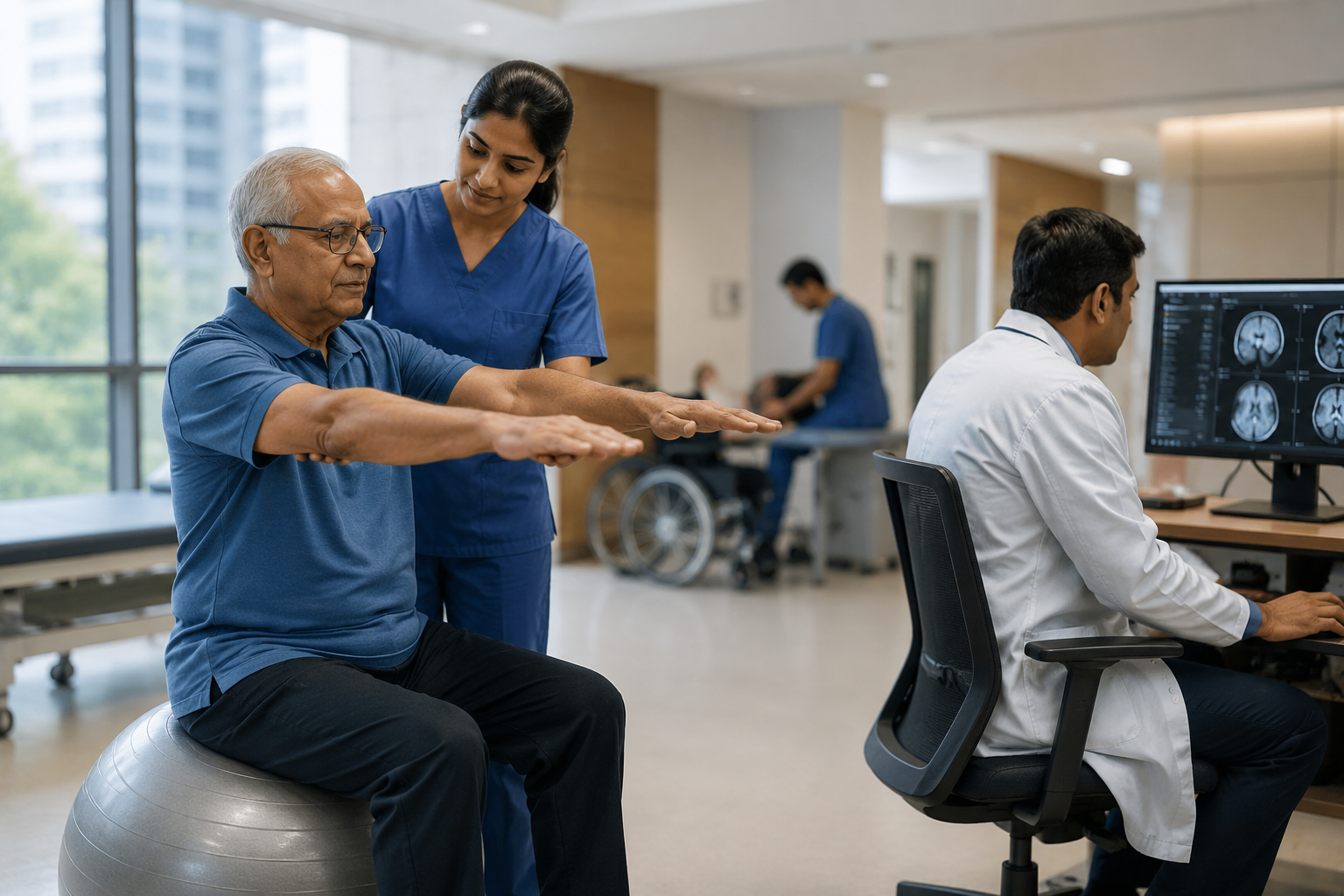
Rehabilitative care plays a vital role in helping individuals maintain mobility, strength, and independence. Physical therapy focuses on balance, posture, and flexibility to prevent falls and improve daily function. Occupational therapy helps patients adapt their routines and use assistive devices to manage daily tasks. Speech therapy may also be necessary when communication or swallowing is affected. These interventions not only improve quality of life but also empower patients with skills to manage their condition.
Surgical and Technological Advances
For patients whose symptoms do not respond adequately to medication, surgical options such as deep brain stimulation (DBS) offer new hope. DBS can regulate abnormal brain activity, leading to significant improvements in motor symptoms. Beyond surgery, non-invasive technologies like transcranial magnetic stimulation are emerging as alternative options. The growing use of wearable devices also provides continuous monitoring, allowing for more precise adjustments in treatment.
Emotional and Social Support
Living with a movement disorder can affect more than just physical health. Anxiety, depression, and social withdrawal are common challenges. Supportive counseling, peer groups, and mindfulness practices can help patients and families cope with the emotional aspects of the condition. Encouraging social interaction and building strong support networks play a key role in sustaining long-term well-being.
Lifestyle Adaptations
Lifestyle modifications are another important part of effective care. Regular exercise, proper nutrition, and sufficient rest can reduce symptom severity and improve resilience. Stress management techniques such as yoga, meditation, and breathing exercises may also contribute to better control of involuntary movements. Small daily changes often make a big difference in overall health.
Long-Term Planning
Since many movement disorders are chronic, long-term care planning is essential. Regular monitoring ensures treatments remain effective, and adjustments can be made when symptoms change. Families should also consider future needs, including mobility aids, home modifications, and expanded care options. Planning ahead promotes stability and reduces stress for both patients and caregivers.
Conclusion
Movement Disorders Treatment requires a holistic and individualized approach that blends medication, rehabilitation, advanced therapies, and emotional support. By addressing both the medical and personal aspects of care, patients can achieve better mobility, improved confidence, and a higher quality of life.


Write a comment ...